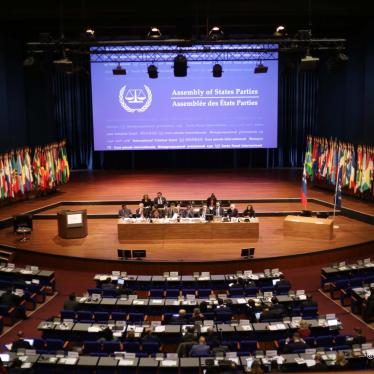
In a major victory, more than 110 nations agreed on May 28 in Dublin to a strong international treaty banning cluster munitions. In February 2007, Human Rights Watch helped launch a global campaign to prohibit the use of cluster bombs. We coordinated international treaty negotiation efforts and defeated attempts to weaken the treaty text. Human Rights Watch also successfully countered US efforts to pressure its allies to undermine the ban. As a result, in a decisive policy shift, Britain and other NATO allies endorsed the cluster ban treaty. Cluster munitions contain "bomblets" that are scattered from planes or by artillery shells and detonate like landmines. Thousands of unsuspecting civilians, many of them children, are killed or maimed by dormant cluster bombs each year. Like the ban against landmines, the cluster munitions ban represents a momentous advancement in the protection of people affected by conflict.
|
Impact
111 Nations Agree to Landmark Ban on Cluster Bombs
Your tax deductible gift can help stop human rights violations and save lives around the world.
More Reading
-

-
July 23, 2026
China’s Police Harass Animal Protection Supporters

Reports
-
July 21, 2026
A Dangerous Partnership
Abuses, Unanswered Questions, and US-Ecuador Security Cooperation

-
July 15, 2026
“You’re Only Getting Out Deported or Dead”
Abusive US Immigration Detention at Ft. Bliss

Most Viewed
-
July 24, 2026
International Criminal Court Prosecutor Removed
-
July 23, 2026
France’s Troubling Silence on the UAE Role in Sudan

-
July 23, 2026
India: Excessive Force Used Against Student Protesters

-
November 12, 2018
Pakistan: Girls Deprived of Education

-
December 14, 2017
“They Were Men in Uniform”

