Discrimination, Lack of Economic Autonomy and Violence Against Women in Cameroon
The 75-page report, “‘I Live in Constant Peril:’ Discrimination, Lack of Economic Autonomy and Violence Against Women in Cameroon,” documents widespread violence against women, including physical, psychological, and economic abuse, in most cases by husbands and intimate partners. Researchers found that physical and economic abuse was used to restrict access to financial resources, social security, employment, property, and economic independence. These abuses are not isolated incidents but are rooted in entrenched gender inequality, discriminatory laws, and weak institutions, exacerbated by the government’s chronic underinvestment in prevention and survivor support.
Accountability before Guinea’s Courts for the September 28, 2009 Stadium Massacre, Rapes, and Other Abuses
This 58-page report analyzes Guinea’s efforts to hold those responsible for the crimes to account. On that day, several hundred members of Guinea’s security forces burst into a stadium in Guinea’s capital, Conakry, and opened fire on tens of thousands of opposition supporters peacefully gathered there.
Obstacles to Health, Justice, and Protection for Displaced Victims of Gender-Based Violence in Colombia
This 101-page report documents how recent improvements in Colombia’s laws, policies, and programs on rape and domestic violence have not translated into more effective justice, healthcare, and protection for displaced women and girls. More than half of the country’s roughly four million displaced are female.
Condoms as Evidence of Prostitution in Four US Cities
This 112-page report documented in each city how police and prosecutors use condoms to support prostitution charges. The practice makes sex workers and transgender women reluctant to carry condoms for fear of arrest, causes them to engage in sex without protection, and puts them at risk of HIV and other sexually transmitted diseases.
The Vulnerability of Immigrant Farmworkers in the US to Sexual Violence and Sexual Harassment
This 95-page report describes rape, stalking, unwanted touching, exhibitionism, or vulgar and obscene language by supervisors, employers, and others in positions of power. Most farmworkers interviewed said they had experienced such treatment or knew others who had. And most said they had not reported these or other workplace abuses, fearing reprisals.
This 54-page report documents the lifelong damage to girls who are forced to marry young. Yemeni girls and women told Human Rights Watch about being forced into child marriages by their families, and then having no control over whether and when to bear children and other important aspects of their lives.
Violence and Discrimination against Black Lesbians and Transgender Men in South Africa
This 93-page report is based on more than 120 interviews conducted in six provinces. Human Rights Watch found that lesbians and transgender men face extensive discrimination and violence in their daily lives, both from private individuals and government officials.
This 47-page report examines the legal and practical questions surrounding the case and concludes that Haiti has an obligation under international law to investigate and prosecute the grave violations of human rights under Duvalier's rule.
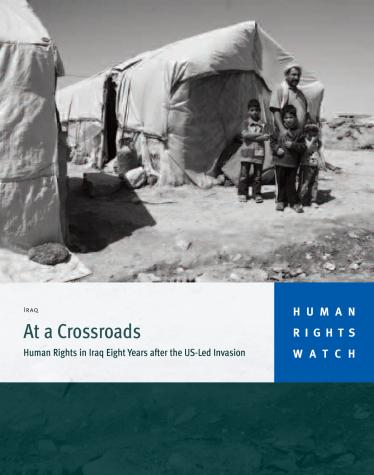
Human Rights in Iraq Eight Years after the US-Led Invasion
This 102-page report calls on the government to protect the rights of vulnerable groups and to amend its penal code and all other laws that discriminate against women and violate freedom of speech. The report also urges Baghdad to open independent and impartial investigations into all allegations of abuse against detainees, minorities, and journalists.
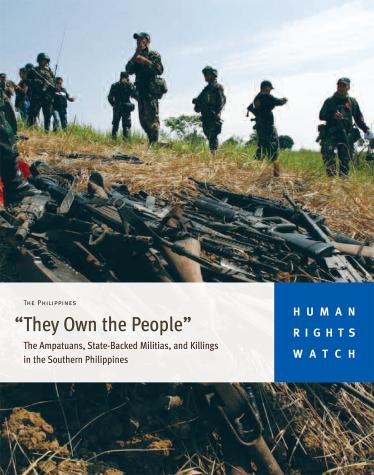
The Ampatuans, State-Backed Militias, and Killings in the Southern Philippines
This 96-page report charts the Ampatuans’ rise to power, including their use of violence to expand their control and eliminate threats to the family’s rule. It is based on more than 80 interviews, including with people having insider knowledge of the Ampatuan family security structure, victims of abuses and their family members, and witnesses to crimes.
Rights Abuses in Cameroon based on Sexual Orientation and Gender Identity
This 62-page report details how the government uses article 347 bis of the Penal Code to deny basic rights to people perceived to be gay, lesbian, bisexual, or transgender (LGBT). The report describes arrests, beatings by the police, abuses in prison, and a homophobic atmosphere that encourages shunning and abuse in the community.
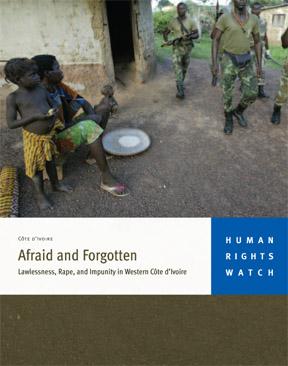
Lawlessness, Rape, and Impunity in Western Côte d’Ivoire
This report documents the often brutal physical and sexual violence in the western administrative regions of Moyen Cavally and Dix-Huit Montagnes. The widespread criminality has been fueled by the disintegration of legal institutions, a failed disarmament process that has left the region awash with arms, and state officials’ refusal to respond to attacks.
India’s Need for Sound Standards for Conducting and Interpreting Forensic Examinations of Rape Survivors
This 54-page report documents the continued use of the archaic practice and the continued reliance on the "results" by many defense counsel and courts.
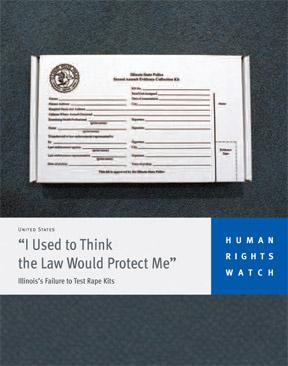
This 42-page report collected comprehensive testing data from 127 of 264 jurisdictions in Illinois and found that only 1,474 of 7,494 sets of physical evidence, known as "rape kits," booked into evidence since 1995 could be confirmed as tested. That suggests 80 percent of rape kits may never have been examined in the state.
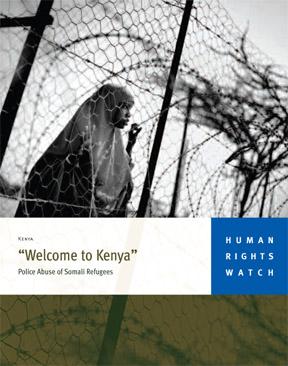
Based on interviews with over 100 refugees, this 99-page report documents widespread police extortion of asylum seekers trying to reach three camps near the Kenyan town of Dadaab, the world's largest refugee settlement.