Discrimination and Violations of the Right to Work for Persons with Albinism in Malawi
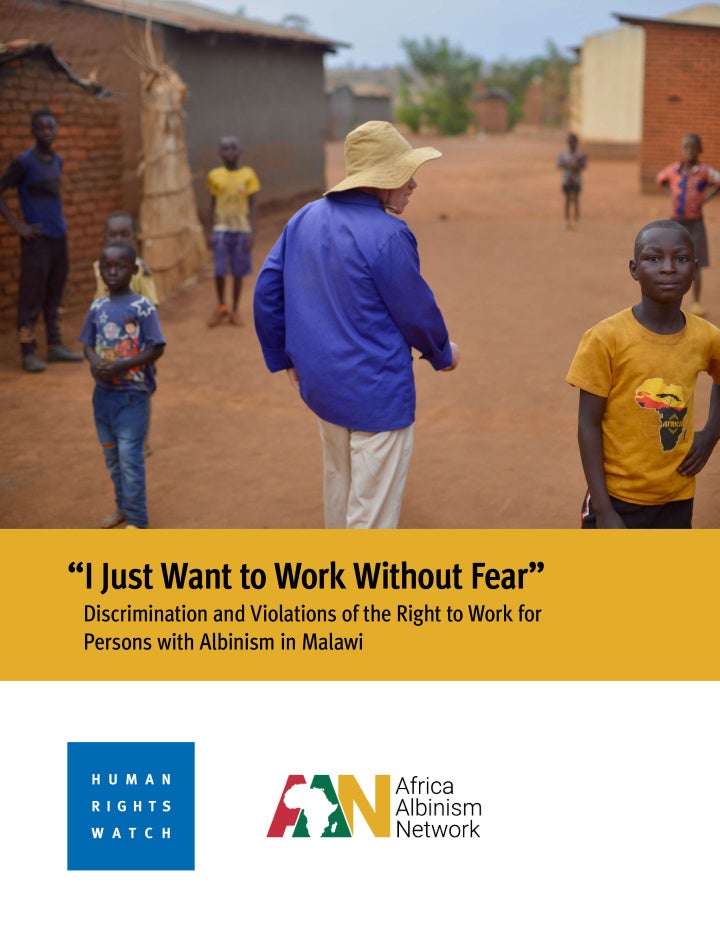
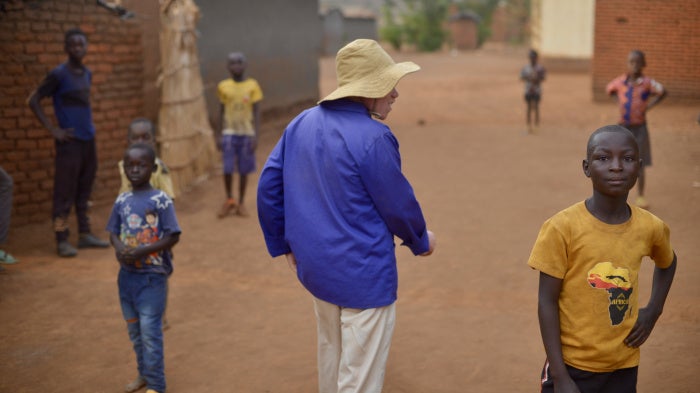
The 65-page report, “‘I Just Want to Work Without Fear’: Discrimination and Violations of the Right to Work for Persons with Albinism in Malawi,” documents how stigma, discrimination, fear of violence, and lack of reasonable accommodation undermine the rights of people with albinism to work, education, health and social security.
This 119-page report is Human Rights Watch’s first major report on Japan since the launch of its Tokyo office in April 2009. The report examines the alternative care system’s organization and processes, problems found in the institutionalization of children and infants, and abuses that take place.
Mistreatment of Drug Users and "Undesirables" in Cambodia’s Drug Detention Centers
The 55-page report documents the experiences of people recently confined in the centers, who described being thrashed with rubber water hoses and hit with sticks or branches. Some described being punished with exercises intended to cause intense physical pain and humiliation, such as crawling along stony ground or standing in septic water pits.
Burst Pipes, Contaminated Wells, and Open Defecation in Zimbabwe’s Capital
The 60-page report describes how residents have little access to potable water and sanitation services, and often resort to drinking water from shallow, unprotected wells that are contaminated with sewage, and to defecating outdoors. The conditions violate their right to water, sanitation, and health.
Lack of Accessibility for People with Disabilities in Russia
This 118-page report is based on 123 interviews with people with disabilities and their families in 6 cities across Russia. It documents the everyday hurdles people with disabilities meet when going to government offices, shops, healthcare centers, and places of employment, and accessing public transportation.
Abuses against Persons with Mental Disabilities in Ghana
This report describes how thousands of people with mental disabilities are forced to live in psychiatric institutions and spiritual healing centers, often against their will and with little possibility of challenging their confinement. In psychiatric hospitals, people with mental disabilities face overcrowding and unsanitary conditions.</p>
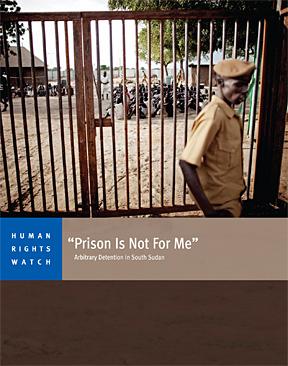
This 105-page report documents violations of due process rights, patterns of wrongful deprivation of liberty, and the harsh, unacceptable prison conditions in which detainees live. The research was done during a 10-month period before and after South Sudan’s independence, on July 9, 2011.
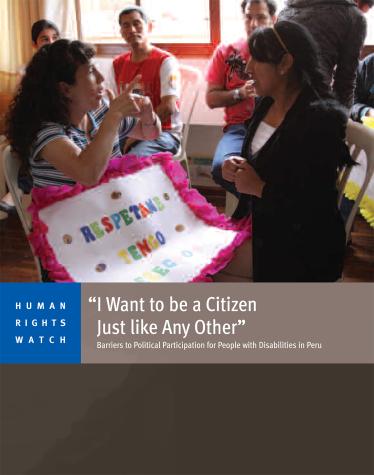
Barriers to Political Participation for People with Disabilities in Peru
This 89-page report documents the legacy of a policy, changed only in October 2011, that arbitrarily denied people with sensory, intellectual, and psychosocial disabilities their right to vote, considering them legally incompetent to exercise such a decision.
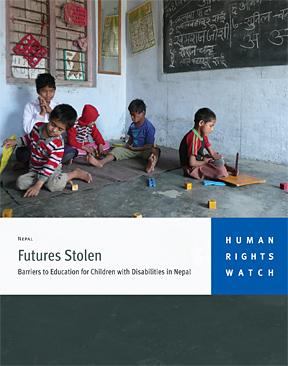
Barriers to Education for Children with Disabilities in Nepal
This 76-page report documents the hurdles that children with disabilities face in obtaining a quality education in Nepal. Some children with disabilities experience abuse and neglect at home and in their communities, making it harder for them to gain access to schooling.
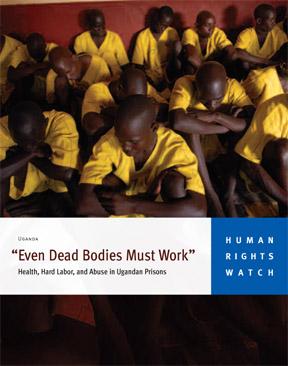
This 80-page report documents routine physical abuse and the failure of the criminal justice system to protect the rights of prisoners. Prisoners at rural prisons, including the elderly, individuals with disabilities, and pregnant women, are frequently caned, or are even stoned, handcuffed to a tree, or burned, when they refuse to perform hard labor.
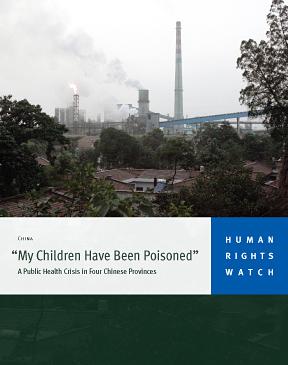
This 75-page report draws on research in heavily lead-contaminated villages in Henan, Yunnan, Shaanxi, and Hunan provinces. The report documents how, despite increasing regulation and sporadic enforcement targeting polluting factories, local authorities are ignoring the urgent and long-term health consequences of a generation of children continuously exposed to life-threatening levels of lead.
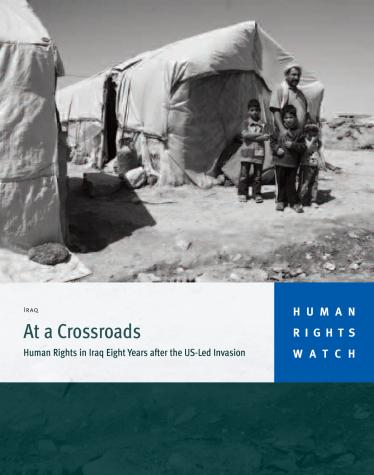
Human Rights in Iraq Eight Years after the US-Led Invasion
This 102-page report calls on the government to protect the rights of vulnerable groups and to amend its penal code and all other laws that discriminate against women and violate freedom of speech. The report also urges Baghdad to open independent and impartial investigations into all allegations of abuse against detainees, minorities, and journalists.
Deinstitutionalization of Persons with Intellectual or Mental Disabilities in Croatia
This 74-page report documents the plight of the more than 9,000 persons with intellectual or mental disabilities living in institutions in Croatia and the lack of community-based programs for housing and support.
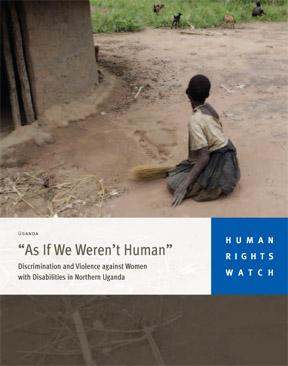
Discrimination and Violence against Women with Disabilities in Northern Uganda
This 73-page report describes frequent abuse and discrimination by strangers, neighbors, and even family members against women and girls with disabilities in the north. Women interviewed for the report said they were not able to get basic provisions such as food, clothing, and shelter in camps for displaced persons or in their own communities.
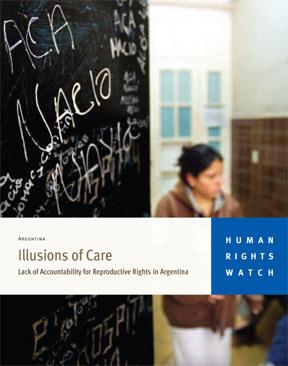
Lack of Accountability for Reproductive Rights in Argentina
This 52-page report documents the many obstacles women and girls face in getting the reproductive health care services to which they are entitled, such as contraception, voluntary sterilization procedures, and abortion after rape.