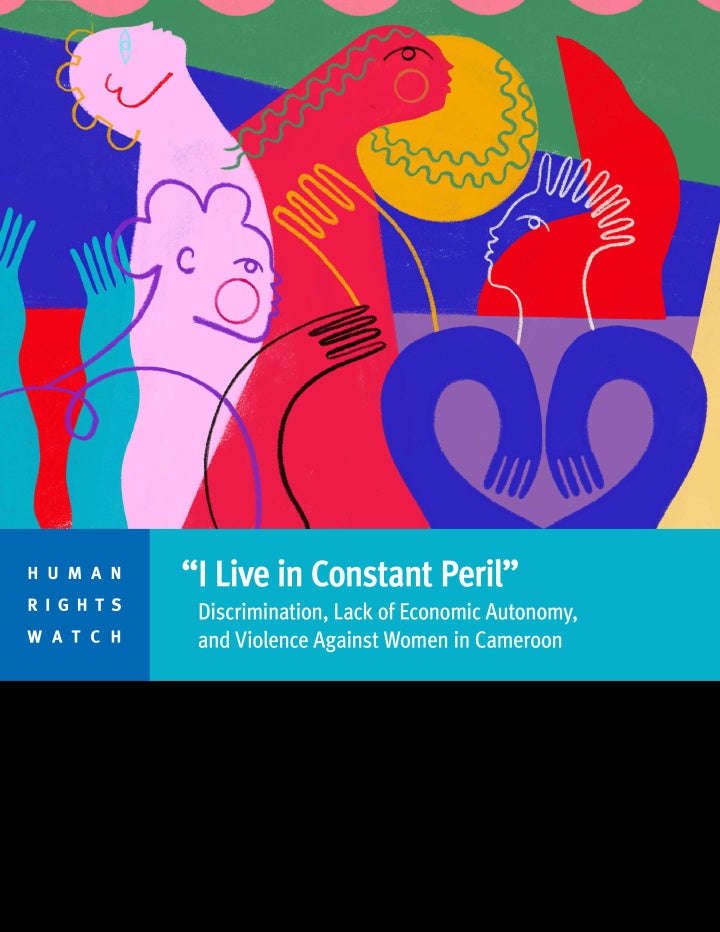
Discrimination, Lack of Economic Autonomy and Violence Against Women in Cameroon
The 75-page report, “‘I Live in Constant Peril:’ Discrimination, Lack of Economic Autonomy and Violence Against Women in Cameroon,” documents widespread violence against women, including physical, psychological, and economic abuse, in most cases by husbands and intimate partners. Researchers found that physical and economic abuse was used to restrict access to financial resources, social security, employment, property, and economic independence. These abuses are not isolated incidents but are rooted in entrenched gender inequality, discriminatory laws, and weak institutions, exacerbated by the government’s chronic underinvestment in prevention and survivor support.
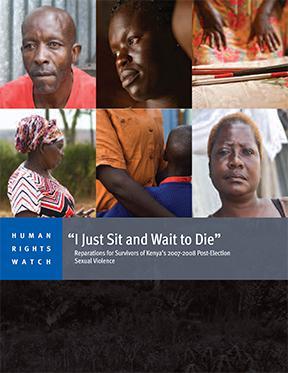
Reparations for Survivors of Kenya’s 2007-2008 Post-Election Sexual Violence
This report is based on interviews with 163 women and girls, nine male survivors, and witnesses of rape or other sexual violence in the post-election period. Human Rights Watch found that most of the survivors interviewed were still in dire need of medical attention, leaving them unable to work or pursue education, adding to their poverty and hunger. The government has recently promised reparations, which should be designed in consultation with survivors of sexual violence to ensure their full inclusion in all programs.
Rapid Support Forces Attacks against Civilians in Darfur, Sudan
The 88-page report documents Rapid Support Forces atrocities against civilians during two counterinsurgency campaigns in Darfur. The abuses appear to be widespread and systematic attacks on civilian populations that may constitute crimes against humanity.
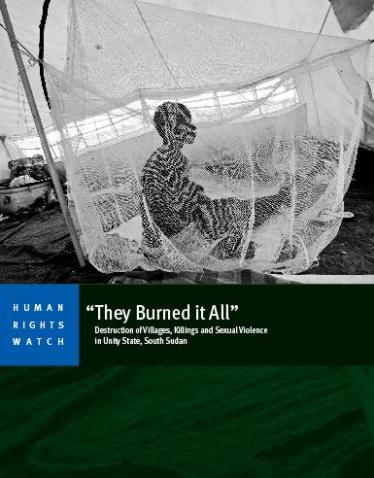
Destruction of Villages, Killings, and Sexual Violence in Unity State South Sudan
Thise 42-page report is based on more than170 interviews in June and July with survivors and witnesses. More than 125 of these were displaced by fighting or attacks on their villages by government troops or allied militia from the Bul Nuer ethnic group. Human Rights Watch documented shocking accounts of about 60 unlawful killings of civilian women, men, and children, including the elderly. Some were hanged and others shot, and others were burned alive. Interviewees were selected randomly and the number of cases documented by Human Rights Watch almost certainly represents only a fraction of the total.
Retaliation against Sexual Assault Survivors in the US Military
This 113-page report finds that both male and female military personnel who report sexual assault are 12 times as likely to experience some form of retaliation as to see their attacker convicted of a sex offense.
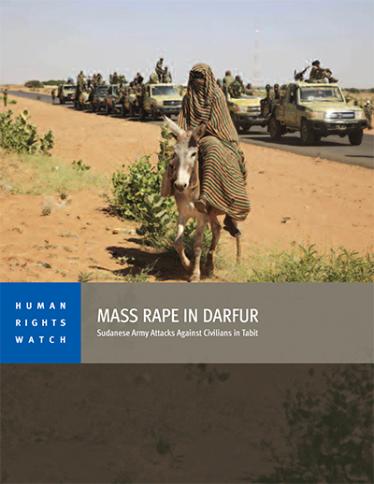
The 48-page report documents Sudanese army attacks in which at least 221 women and girls were raped in Tabit over 36 hours beginning on October 30, 2014. The mass rapes would amount to crimes against humanity if found to be part of a widespread or systematic attack on the civilian population.
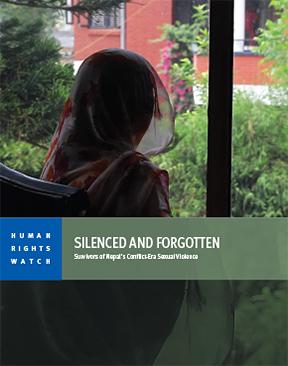
The 78-page report documents sexual violence by both government forces and the Communist Party of Nepal (Maoist) combatants during the conflict, which ended with a peace agreement in 2006. Many of these crimes remain unreported, with survivors isolated and unable to find ways to access justice and redress.
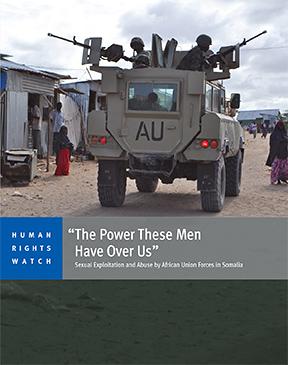
Sexual Exploitation and Abuse by African Union Forces in Somalia
This 71-page report documents the sexual exploitation and abuse of Somali women and girls on two AMISOM bases in Somalia’s capital, Mogadishu, since 2013. The AU soldiers, relying on Somali intermediaries, have used a range of tactics, including humanitarian aid, to coerce vulnerable women and girls into sexual activity.
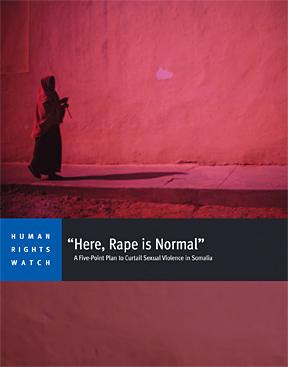
A Five-Point Plan to Curtail Sexual Violence in Somalia
This 72-page report provides a roadmap for the government and its international donors to establish a comprehensive strategy to reduce rape, provide survivors with immediate and urgent assistance, and develop a long-term approach to end these abuses.
This 26-page report found that Ecuador’s criminal code limits women’s and girls’ reproductive rights by prohibiting abortion with few exceptions, even in the case of pregnancies that result from sexual violence. The criminal code imposes penalties including prison terms ranging from one to five years for women and girls who obtain abortions.
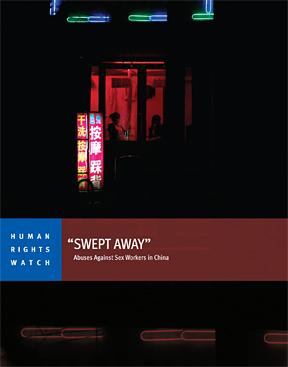
This 51-page report documents abuses by the police against female sex workers in Beijing, including torture, beatings, physical assaults, arbitrary detentions, and fines, as well as a failure to investigate crimes against sex workers by clients, bosses, and state agents.
The 95-page report documents the consequences of child marriage, the near total lack of protection for victims who try to resist marriage or leave abusive marriages, and the many obstacles they face in accessing mechanisms of redress.
Sexual Violence against Tamils by Sri Lankan Security Forces
The 140-page report provides detailed accounts of 75 cases of alleged rape and sexual abuse that occurred from 2006-2012 in both official and secret detention centers throughout Sri Lanka.
This 82-page report examines how current government responses are falling short, both in protecting children from sexual abuse and treating victims. Many children are effectively mistreated a second time by traumatic medical examinations and by police and other authorities who do not want to hear or believe their accounts.
Police Mishandling of Sexual Assault Cases in the District of Columbia
This 196-page report concludes that in many sexual assault cases, the police did not file incident reports, which are required to proceed with an investigation, or misclassified serious sexual assaults as lesser or other crimes.